Open-plan shelving separates developers and house owners alike. Some see it as a magnet for dust and aesthetic clutter, others see it as a chance to modify, present, and humanize a kitchen. Both are right, relying on just how the shelves are defined and styled. When open shelves function, they create rhythm, deal simple access to day-to-day fundamentals, and display the individuality of the chef. When they fall short, the space can look incomplete or disorderly. The difference depends on intent, percentage, and truthful daily habits.
Start with function, after that aesthetics
Every effective open-shelving system starts with a clear brief. Are you showing porcelains and glasses that make you satisfied? Do you want quick reach to morning meal bowls and coffee mugs? Are you hoping to separate a hefty run of wall surface cupboards, letting light skim throughout a back wall? I ask customers to name the leading 10 products they reach for many early mornings, then develop around that list. If the answer consists of a pile of plastic storage lids and dissimilar stemless glass, we plan closed storage space for those and get shelves for items that make the attention.
Aesthetics comply with feature. In interior design, appeal originates from clarity and uniformity. If your kitchen area leans contemporary, clean lines and tighter color palettes on the racks enhance the design. In a standard or farmhouse room, the racks can carry patina, split textures, and a bit much more visual story. The system should still hang together from six feet away, where the eye checks out structure before it reviews object.
Get the percentages right
Shelves live and die by range. Too superficial, and huge supper plates hang off the side; too deep, and the device feels like a cabinet without doors. A useful depth for everyday use is 9 to 12 inches. 9 inches suits mugs and glasses. 10 or eleven inches will conveniently hold most plates. Twelve inches is the upper limit prior to the shelf line starts to control the wall.
Spacing issues just as much. A typical upright void is 12 to 16 inches, but damage the pattern if your items require it. I typically establish the most affordable shelf at 18 inches above the counter to leave breathing space for tiny home appliances or to display a backsplash. If you're displaying taller bottles or recipe books, float one rack greater, then keep others closer to keep a rhythm. Bear in mind, a consistent reveal from the underside of a shelf to the top of the backsplash helps the make-up feel intentional.
Thickness alters the mood. A 1-inch thick rack reads crisp and modern. A 1.5 to 2-inch shelf, strong or with a mitered side to fake deepness, feels heftier and can balance a huge array hood or a wide home window. Don't go so thick that it casts a bleak shadow; the sweet area is where weight fulfills lightness.
Choose materials with maintenance in mind
In kitchen areas, the moisture and oil lots is real. Porous woods and unsealed stones take in air-borne oils quicker than you may anticipate. I often tend to spec sealed woods for warmth and durability. White oak with a matte waterborne polyurethane holds its shade and wipes clean. Walnut strengthens wonderfully with time, though it shows dust more plainly. Softwoods like want can function, yet they ding quickly and require a good hardwax oil or clear coating to fend off moisture.
Painted MDF can look smooth, however it needs a top-quality primer and enamel coating to stand up to cracking. If you go painted, think about a brushed instead of sprayed coating so touch-ups vanish into the appearance. For steel, powder-coated steel braces and shelves can carry a minimalist or industrial note and deal with heavy tons. They additionally reveal every finger print if used level and dark, so be reasonable regarding cleaning. Safety glass racks welcome light to pass through, however glass highlights every fleck; utilize them only if daily wipe-downs belong to your rhythm.
The user interface to the wall surface is frequently overlooked. Ceramic tiles with hefty structure complicate bracket mounting and cleaning. A piece backsplash, such as quartz or porcelain, streamlines both. If you love tile, plan brace location before the tile goes up. Drilling right into completed ceramic tile is feasible with the ideal bit, however anchoring behind the floor tile, right into studs or blocking, makes sure security and stays clear of split grout.
Load-bearing and setup details that save headaches
Open shelves must feel insubstantial, not precarious. Throughout remodelling or new builds, ask your service provider to install horizontal blocking at rack height. A 2-by-6 or 2-by-8 between studs gives you continuous anchoring. Retrofitting? Make use of a stud finder and strategy bracket spacing to strike as several studs as practical. If the layout forces a period beyond 24 to 32 inches, select shelves with hidden steel reinforcements or include slim corbels that look deliberate, not apologetic.
I have actually seen completely styled racks plunge a quarter inch over a year because fasteners were undersized or timber cupped from moisture. Pick screws rated for structural use, not drywall screws. If you choose the drifting look with no noticeable brackets, purchase top quality floating rack equipment rated for the lots, and consider torsion. A 36-inch shelf bearing 60 to 80 pounds of tableware needs a pole system with substantial embedment length, not a light-duty set sold for image ledges.
Lighting can raise the installment. An easy LED tape underside laundry turns a dark corner right into a gallery. Wire it easily, preferably with networks reduced right into the underside before finishing, and pick a cozy shade temperature level around 2700 to 3000 Kelvin to flatter wood and porcelains. Prevent visible diodes. A continual diffuser gives a gentle glow, erasing scallops on the wall.
Curate like a stylist, live like a cook
The shelves need to serve life. The leading tier commonly brings the most beautiful or least-used pieces, while the center and lower tiers offer the functioning routine. Group items by task. Coffee terminal on the entrusted cups, sugar container, and grinder beneath; pasta bowls and colanders near the range; water glasses near the sink or dishwasher. The point is to lower zig-zagging throughout the cooking area, which matters greater than Instagram symmetry at 7 a.m.
Start with an anchor piece on each rack, something with sufficient presence to ground the structure: a stack of supper plates, a high vase, a substantial mixing bowl. Then add tool and little items in limited households. Odd-number groupings do have a tendency to look even more all-natural, but do not let that rule override feature. Maintain deals with lined up, spouts encountering the same direction, and labels turned internal unless the tag deserves showing. Order looks easy when repetition does the work.
If your collection is vivid, limit the combination per rack. I commonly use one shade household plus neutrals. As an example, blue-and-white ceramics with clear glass and blonde timber, or environment-friendly ceramic with linen-toned bowls and matte black metal. On a small run of racks, 2 to 3 tones really feel rich without mayhem. Glassware brings glimmer; ceramic adds matte heft; a copper pot or brass scoop introduces a peaceful glint that plays well with cupboard hardware.
Avoid the scrap drawer effect
Open shelves test sincerity. If your family enjoys uniqueness mugs and plastic sippy mugs, hiding them is kinder to the eye and the morning mood. Usage drawers and closed cabinets for the combination and reserve open racks for fewer, better points. This is not strict minimalism. It's intent. Modify two times a year. If a piece didn't see daytime in six months, reassess. Donation or turning both job. A winter-to-summer swap keeps points fresh.
Dust is the rubbing point people stress over. In method, often utilized things seldom collect more than a whisper. It's the decorative-only items that collect dust layers. Keep your simply decorative stock light and simple to rinse. If you live near an active street or cook with a lot of hot and oils, a month-to-month clean with a slightly damp microfiber fabric will keep racks from feeling neglected. Select finishes that tolerate a gentle cleaner, and test any type of new product on the bottom first.
The duty of adverse space
What you leave blank issues as much as what you display. A shelf packed lengthwise appearances hefty and unconsidered. Go for roughly two-thirds object, one-third air, varying by shelf. Let a tall thing damage the line once per bay. Float a single sculptural item on a much shorter rack to reset the rhythm. Tiny pockets of space near the ends of racks keep sightlines open and make it simpler to keep order. If you have a run of 3 or 4 shelves, differ the density somewhat from bottom to leading, lighter as you go higher, so the wall surface really feels resilient rather than top-heavy.
Integrate the shelves with the architecture
Open racks rarely stand alone. They function best as part of a larger make-up that includes windows, variety hoods, and wall surfaces. A classic relocation is to flank a range hood with shelves, matching the hood's lower elevation with the first rack. The proportion is relaxing, yet it can be boring if as well stiff. Presenting asymmetry, such as a single longer shelf on one side and two shorter on the various other, can add power without clutter.
Consider the sightline from the nearby space. Open-plan homes typically place the kitchen on stage. If your living location looks onto a kitchen wall with racks, design those racks with a nod to the living room scheme. Repeating a material, like the living-room's oak coffee table or a brass light coating, informs a peaceful tale of coherence. This is interior design doing its refined work.
For smaller sized kitchen areas, floating a solitary rack across a home window can be wonderful if done with slim glass or a narrow timber account mounted to the window jambs. Place light-weight glass wares there to capture the light. Ensure the installment values window operation and condensation. A much deeper apron front or sill-led rack can likewise link unpleasant voids and maintain the eye moving.
Color method that doesn't shout
Color on open shelves works ideal when it feels woven into the space. If the kitchen cabinetry is painted a deep environment-friendly, echo simply a note of that eco-friendly in 1 or 2 pieces on the shelves, then construct around all-natural products: white bone china, clear glass, oiled timber. In a white kitchen, color can keep shelves from looking sterilized. Soft reefs bowls, a slate teapot, and a sand-colored linen-covered recipe book warm the sight without turning the wall surface into a rainbow.
Backdrops issue. A rack against a veined stone piece needs less hectic items. Let the stone sing, and choose strong colors and mild forms. Versus a matte floor tile or painted wall, pattern on the things can do even more job. If you have beadboard or v-groove paneling, a monochrome things lineup stresses the shadow lines and provides structure without fuss.
Layering heights, textures, and finishes
Depth in a composition originates from comparison. Mix matte and gloss, soft and hard, cozy and awesome. A matte black bottle alongside clear rippled glass reads willful. A stack of shiny white plates on a rubbed-oil oak shelf is a traditional, and it permits you to change the mood seasonally with a small colored dish on the top. Books with towel backs break the run of porcelains and supply genuine utility. Pick recipe books you use, not just those with pretty covers. Stand two vertically as bookends and pile 2 horizontally to raise a tiny dish to eye level.
The temptation is to lean reducing boards to build height. It functions, but be careful not to stack five of them like shingles. A couple of well-proportioned boards, cleansed and oiled, can introduce vertical rhythm and secure the wall. Stagger their heights and maintain the warmer timber tones integrated with the shelf product to avoid a restless patchwork.
Lighting that flatters, not exposes
Good illumination can make a moderate collection glow. If hardwiring under-shelf LEDs isn't in the cards, consider ambient methods that still recognize the items. A well-placed sconce nearby will forage the shelves and create soft highlights. Prevent putting bright downlights straight over the leading edge of the shelves; that can develop rough shadows and glare on glasses. For those building brand-new, a low-output, high-CRI LED strip concealed at the back bottom of the rack renders colors properly and highlights structures without theatrical drama.
Color temperature level should match the remainder of the cooking area. A lot of homes feel comfortable between 2700 and 3000 Kelvin. Uniformity in between the racks, necklaces, and under-cabinet illumination assists the area really feel natural. If the kitchen has north light that leans cool, slightly warmer lamping on the racks counterbalances it.
Safety and health in actual kitchens
When racks sit near a variety, think of grease. Placing a shelf right away along with a high-BTU cooktop invites splatter. If you must, store washable products there and stay clear of permeable baskets or rare cookbooks. A wipeable satin coating on the wall surface or slab aids. Place the extra fragile display screens further from the action, preferably beyond the 18- to 24-inch zone nearest the burners.
Glasses saved rim-up are simpler to keep dust-free; rim-down can catch dust or rack particles unless you maintain the surface pristine. For stemware, a slim rail or notch routed right into a timber shelf can hold stems securely and introduce a crafted information. If you have small children, get greater racks for breakables, and maintain the lower shelf equipped with unbreakable bowls or melamine plates for independent grabs.
Budget choices that look deliberate
Open shelves can be an expense saver if they reduce the variety of wall surface cabinets. Yet they can look cheap if materials or equipment are undersized. If the budget plan is limited, spend cash on tough braces and good timber, then simplify elsewhere. IKEA's solid timber shelves updated with custom-made brackets can prove acceptable if ended up well. Alternatively, a site-built rack from a furniture-grade plywood, edge-banded and finished with a clear layer, supplies security at a lower cost than thick solid slabs.
On the other hand, a solitary splurge can carry the area. Commissioning a neighborhood woodworker to develop one lengthy floating shelf with essential steel poles can be money well spent, specifically if the wall surface is long and the shelf works as a visual bridge. In a small kitchen, also a short rack in a remarkable material, like charred shou sugi restriction cedar or refined marble, can be the whole tale. Be sincere concerning upkeep: marble will certainly etch; charred cedar can note. Utilize them where touch is light.
Seasonal changes without redesigning the room
Kitchens develop with the schedule. In winter months, racks lug heat well: clay, bed linen, timbers in darker tones. A single evergreen sprig in a ceramic pitcher adds life without transforming the cooking area into a vacation collection. Spring invites glass and lighter ceramics, possibly a light enamel pot. Don't overhaul; turn. Store the off-season group in a labeled bin to maintain the procedure painless. If you locate turning a duty, decrease the seasonal delta and rely upon a couple of switchable pieces.
Handling awkward edges and nooks
Corner shelves can be either an appeal or a trap. A triangular shelf wastes room and seldom looks classy. If the layout compels a corner, run the rack straight across one wall surface and stop short on the adjacent wall, leaving a tiny unfavorable space in the corner. The relief prevents the "L" tangle and keeps lines clean. If you acquire a deep edge, use it for high storage space like canisters or a large vase that takes advantage of the depth.
For strange ceiling elevations, like under a stairway, staggered shelf levels that step with the incline can look willful. Maintain the objects simple and repeat kinds to prevent aesthetic sound. In a galley kitchen with a single empty wall surface, 2 or three lengthy racks straightened with the top of the door case can make the space feel broader, attracting the eye horizontally.
Two fast frameworks to lead decisions
- A rack should do among 3 work: serve daily use, display a little collection, or balance the architecture. If it does none, reassess it. If it attempts to do all three at the same time, modify till one duty leads and the others support. Use a 60/30/10 mix: sixty percent functional products you use weekly, thirty percent aesthetically quiet assistance items like plain plates and clear glasses, 10 percent character pieces that inform your story.
Real-world instances from projects
In a small city apartment, we got rid of 3 clunky top cabinets and replaced them with two white oak shelves, each 10 inches deep and 1.25 inches thick. The backsplash was a soft gray zellige floor tile. The tenant prepared usually, so we kept the bottom rack functional: stack of dinner plates https://mariocwfp213.cavandoragh.org/kid-proofing-safe-hanging-of-paintings-for-home-families left wing, glasses in two columns facility, daily bowls on the right. The leading rack held a single terracotta planter, a row of recipe books, and a steel mortar and pestle. The oak based the glossy ceramic tile, and the routine never ever experienced. Grease was marginal given that the variety had an appropriate hood.
A larger suv kitchen area had a lengthy empty wall surface opposite the island. As opposed to add more cupboards, we installed a 7-foot walnut rack, 11 inches deep, floating at 60 inches off the flooring, and a second at 76 inches. Integrated LED strips washed the plaster wall surface. The family members collected hand-made mugs from travel. We organized them by clay tone instead of location, which soothed the line. Under the lower shelf, a slim console table held bed linen paper napkins and a tray for tricks. The location became a morning station and a soft background for evening gatherings.
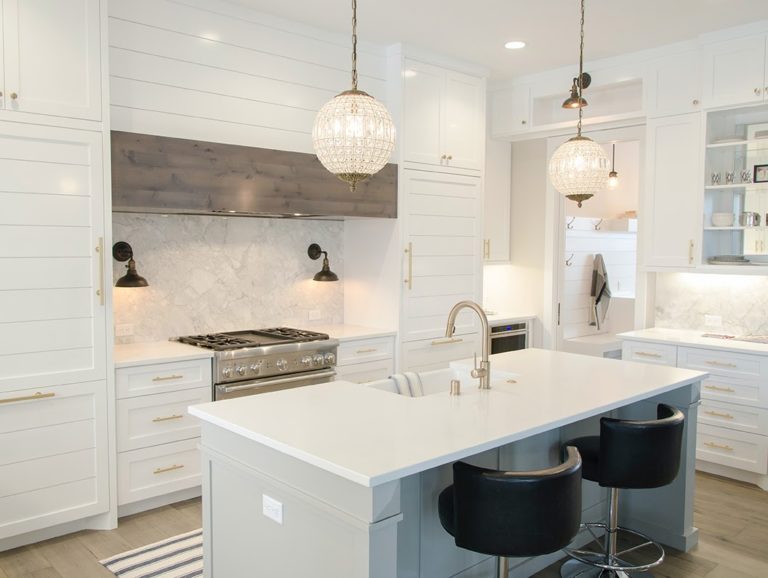
A historic home with low ceilings presented a various challenge. The customer wanted open storage space however feared mess. We developed 3 painted shelves, 9 inches deep, the very same color as the wall surface for a near-monolithic feel. The method was restraint: only white recipes and clear glass on the shelves, every little thing else behind doors. The eye checked out appearance and type, not shade, and the small cooking area really felt taller. A solitary brass sconce in between the racks provided warmth and linked to the unlacquered brass taps.
When open shelves are not the answer
There are kitchen areas that ought to miss open racks. If your ventilation is weak and you fry often, the movie that collects will test your persistence. If you favor varied, vivid product packaging and do not delight in decanting or modifying, shut storage space will certainly value your habits. If you move frequently or rent and can't include appropriate blocking, heavy drifting racks introduce risk. In those situations, think about glass-front cupboards as a concession. They supply several of the visibility without the exposure, and they shield components from dirt and grease.
Sustainability and longevity
Choose products that age well. Solid wood, properly completed, can be resurfaced years later. Powder-coated steel avoids the fast dating of fad finishes. Avoid quickly fashion in style: impulse gets that fill space rarely last. A smaller collection of durable, well-liked items decreases waste and enhances daily experience. If you are changing top cabinets with racks throughout a renovation, think about contributing the closets as opposed to discarding them. Environment reuse centers and neighborhood charities commonly approve them, and a person's utility room or garage can benefit.
Finishes matter for health and wellness along with appearance. Low-VOC sealers make sense in a kitchen. Hardwax oils supply a natural feel and very easy upkeep, though they call for routine rejuvenating. Waterborne polyurethanes have actually boosted substantially; a matte shine prevents the plastic look and still cleanses easily.
A functional styling session you can do this weekend
- Clear the racks entirely and wipe them down. Area a soft towel on the counter listed below to cushion items as you sort. Sort by group: everyday use, periodic use, attractive. Day-to-day things obtain top priority placement at obtainable heights. Build each shelf around one anchor piece. Include 2 encouraging teams, then pause. Step back six feet and squint. Readjust spacing until the unfavorable space really feels even. Align edges where it makes sense. Plate heaps flush at the leading edge reviewed clean; blending bowls set back slightly can create depth. Take one image. Photos expose clutter the eye neglects. Get rid of 2 items. Cope with the result for a week prior to adding anything back.
Final ideas from the field
Open-plan shelving in cooking areas is successful when it mirrors the reality of individuals using the room. The craft is in modifying, proportion, and sincere product options. A 10-inch oak shelf, well anchored, with a regimented mix of plates, glass, and a couple of items that tell a story, will age gracefully. The shelves need to sustain cooking, not turn it into movie theater. If you can draw a favored bowl without believing and the wall surface still looks made up from throughout the area, you have actually landed it. Interior decoration is not regarding perfection on set up day; it's about making the good behaviors simple and easy and the day-to-day view quietly satisfying.